Why Wellness Products Like Acupressure Mats Are Changing the Way We Rest and Recover

Modern life moves fast. Between long hours at a desk, disrupted sleep, and the constant hum of digital noise, it is no surprise that more people are turning to wellness products that offer genuine, tangible relief. Among the most talked-about tools in this space right now is the acupressure mat, a deceptively simple product rooted in thousands of years of healing tradition. If you have been curious about what these mats actually do and whether they live up to the buzz, read on.
The Ancient Science Behind Acupressure
Acupressure is a practice that dates back over 5,000 years, originating in India and refined across centuries of use in traditional medicine systems across Asia. It works on a principle similar to acupuncture: stimulating specific points on the body, known as acupoints, to encourage the flow of energy along pathways called meridians. The critical difference is that acupressure uses physical pressure rather than needles, making it far more accessible for everyday home use.
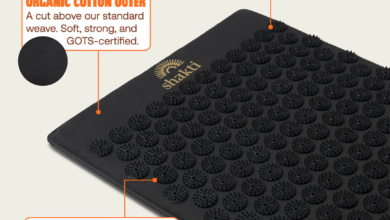
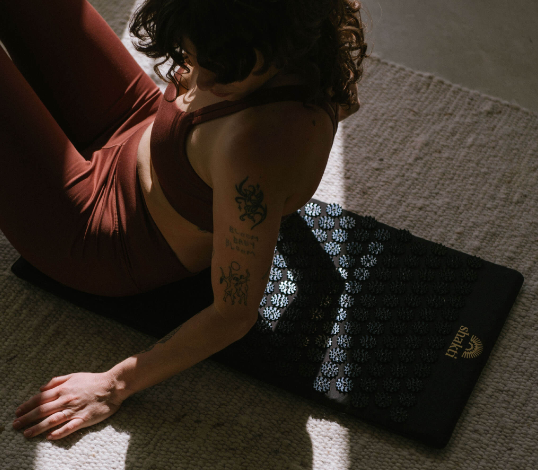
When you lie on an acupressure mat, the hundreds of small, sharp spikes distributed across its surface make contact with your skin simultaneously. This triggers the nervous system in a very specific way. At first, your body registers mild discomfort. But within a few minutes, it responds by releasing endorphins and increasing blood circulation to the contact area. The result is a deep, spreading warmth and a sense of relaxation that many users describe as comparable to a massage session.
How Acupressure Mats Differ from Acupuncture Mats
The terms acupressure mat and acupuncture mat are often used interchangeably, and while they refer to essentially the same product, there is a subtle distinction worth understanding. Acupuncture as a clinical practice involves thin needles inserted into the skin by a trained practitioner. Acupuncture mats borrow the conceptual framework of stimulating acupoints but use blunt plastic spikes that rest on the skin’s surface without piercing it. So while the name “acupuncture mat” has stuck in popular usage, what you are actually getting is a surface-level acupressure tool. No needles, no clinical setting, no appointments needed.
This distinction matters because it affects who can safely use these mats and how. Almost anyone can incorporate an acupressure mat into their routine, whether lying on it for 20 minutes before bed, placing it under their feet while working, or draping it across a chair for lumbar support during the day.
The Real Benefits People Are Experiencing
Wellness products are often hyped beyond their actual value, so it is worth grounding this conversation in what research and user experience consistently point to. The three most reported benefits of regular acupressure mat use are better sleep, reduced muscle tension, and lower stress levels.
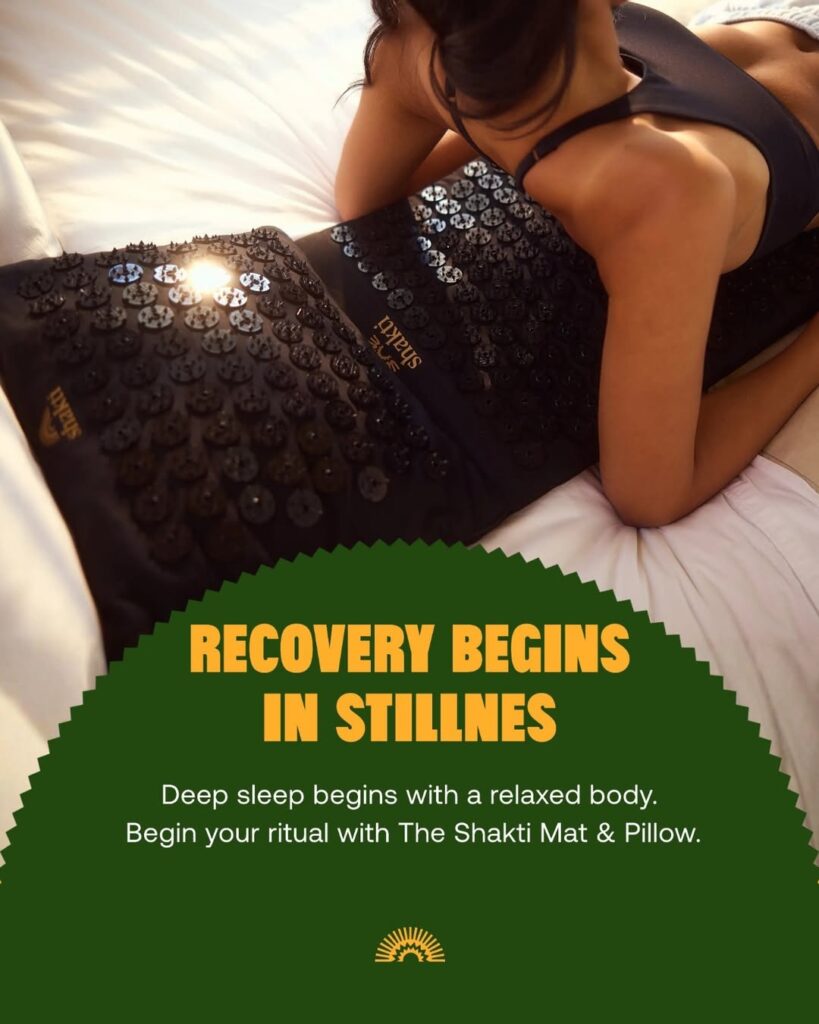
Sleep improvement is perhaps the most compelling. Lying on an acupressure mat for 15 to 20 minutes before bed appears to accelerate the body’s natural wind-down process. The spike stimulation encourages the release of oxytocin and serotonin, hormones closely linked to relaxation and sleep onset. Many people who struggle with racing thoughts at night find that the mild physical sensation of the mat gives their nervous system something tangible to focus on, effectively quieting mental chatter.
For people dealing with chronic muscle tension, particularly in the back, neck, and shoulders, acupressure mats offer a form of myofascial release that costs a fraction of regular massage therapy. The spikes stimulate circulation in tense muscle groups, helping to break up knots and reduce stiffness over time. This does not replace professional physiotherapy for serious injuries, but as a maintenance tool for everyday tension, it is genuinely effective.
Stress relief follows naturally from both of the above. When your body is less tense and you are sleeping better, your baseline stress levels drop. The acupressure mat essentially creates a short daily ritual of forced stillness, something most people in modern life rarely give themselves.
Choosing the Right Acupressure Mat for You
Not all wellness products are created equal, and acupressure mats vary significantly in quality. The three things to prioritize when evaluating any mat are spike sharpness, material quality, and the availability of different intensity levels.
Spike sharpness is counterintuitively important. Blunt spikes do not create the precise stimulation needed to trigger the body’s acupressure response effectively. You want spikes that are sharp enough to be felt clearly but not so aggressive that they cause actual pain. Material quality matters for longevity: the foam base should retain its shape after repeated use, and the spikes should not bend or warp over time. Finally, intensity options are valuable because everyone’s body and pain tolerance is different. Beginners often need a gentler entry point, while experienced users may want deeper stimulation.
A Final Word
Wellness products work best when they fit naturally into your existing routine rather than demanding a complete lifestyle overhaul. An acupressure mat is one of the few tools that can do exactly that. Twenty minutes lying down is something almost anyone can manage. Brands like Shakti Mat UAE have brought this ancient practice into a modern context, making quality acupressure accessible for home use. If restful sleep, less tension, and lower stress are priorities for you, it may be time to give this spiky little mat a proper chance.