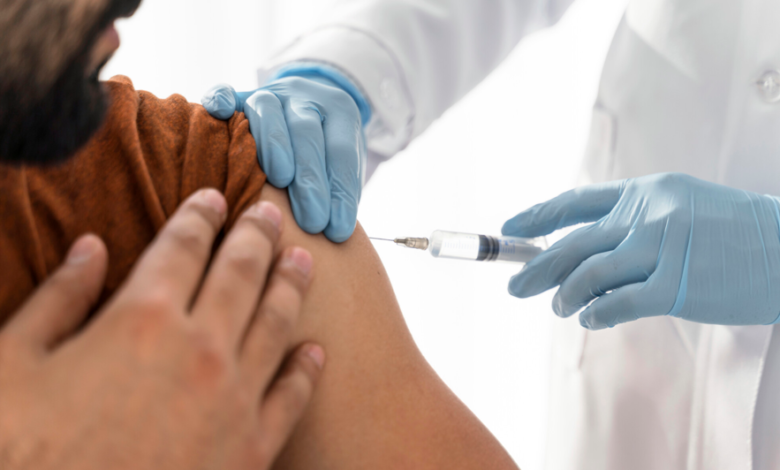
Cortisone injections are given to people who experience persistent shoulder pain from conditions like bursitis, frozen shoulder, rotator cuff tendinitis, etc. The fundamental thing that your doctor wants you to know is that it relieves pain and swelling temporarily but it does not cure the root problem.
Key Takeaways
- Reduces Inflammation, Not Damage: The shot lowers localized swelling and pain but cannot repair torn tendons or structural joint damage.
- Delayed Pain Relief: While local anesthetics wear off quickly, the cortisone itself takes 3 to 7 days to start working and may cause a brief, 24-to-48-hour pain flare beforehand.
- Frequency Is Restricted: Injections are generally limited to a maximum of 3 per year spaced 3 months apart to prevent long-term weakening of tendons and cartilage.
- Can Impact Blood Sugar: Patients with diabetes need to monitor their glucose levels closely, as the steroid can trigger temporary insulin resistance.
Chronic shoulder pain is heavily debilitating because your shoulder is a complex, mobile ball-and-socket joint that is used in most of the upper body movements. A cortisone shot is an injection of a corticosteroid and an anesthetic that ease inflammation, lower swelling, and relieve joint pain. This is a trusted consideration that suppresses joint inflammation, thereby restoring mobility.
In this article, we will list the things that doctors want patients to know before cortisone shots on the shoulder.
What Should You Know Before Getting a Cortisone Shot?
Here are the top seven things that your doctor wants you to know before a cortisone injection on your shoulder.
1. Cortisone Shots Target Inflammation and not Structural Damage
Are you dealing with chronic shoulder pain? If so, cortisone injection can be an effective consideration as it delivers powerful anti-inflammatory medication directly to a localized area of pain. These shots minimize immune activity in the local tissue along with blocking specific inflammatory molecules to drop swelling.
Cortisone injection on shoulder can reduce pain and swelling but they cannot grow torn tendon fibers back together. Any structural damage is not treated as it cannot knit severed collagen fibers back to the bone.
2. Relief is not Immediate
If you think that your shoulder pain will be gone within a few hours after receiving a shot then you are wrong. Cortisone injections offer relief within 3 to 7 days as the medication is not a fast-acting painkiller.
You will experience temporary soreness at the injection site in the first couple of days. Well, a gradual reduction in inflammation is seen within the third to seventh day when cortisone begins its primary work.
3. Working Process of Cortisone Shots
Cortisone injections provide anti-inflammatory medicine directly into the inflamed shoulder joint. The procedure begins with your doctor cleaning the shoulder area. This is followed by guiding a thin needle into the painful spot. Often, they mix a local anesthetic to provide quick relief.
Inflammation has a direct relation with pain response. Unlike the epidural for back pain, a cortisone injection focuses on lowering inflammation to decrease pain on your shoulder. Remember, cortisone shots do not have any healing properties of their own.
4. Temporary Cortisone Flare
Patients must be aware of what they can expect after the shot and doctors also offer adequate information regarding it. You can expect a cortisone flare in the first 24 to 48 hours (temporary increase in pain and swelling). This occurs because of the wearing off of local anesthetic and the formation of microcrystals by steroid medication that irritate the tissue.
How patients can deal with cortisone flare? Well, keep the injected area calm and avoid heavy use for 48 hours. In addition, apply ice wrapped in a cloth for 15 to 20 minutes several times a day.
5. Probable Side Effects
Referring to cortisone injection on shoulder, side effects are rare but possible. The common ones are temporary flare, facial flushing, mild bruising, etc. Your doctor must inform you about these so that you do not feel tensed after witnessing the side effects.
6. Long-Term Management
When you decide to go for cortisone injections for chronic shoulder pain, you must be aware of the long-term management strategies. These include:
- You can take up to 3 cortisone shots on a single joint in a year
- Wait for at least 3 months between individual shoulder injections
- Treatment must combine temporary pain relief with physical therapy and lifestyle modification
Pro Tip: Frequent or repeated shots make tendons and cartilage weak over time.
7. Blood Sugar May Spike
The steroid enters your bloodstream, thereby triggering temporary insulin resistance. This informs the liver to release stored glucose while preventing muscles and fat cells from absorbing sugar from the blood. If you are a diabetic patient, you must know this.
Wrapping Up
The main aspects that you must know before a cortisone shot on your shoulder are targeting inflammation and not structural damage, relieving pain within 3 to 7 days, working process, side effects, etc. A trusted clinic ensures that a patient is aware of the necessary information.
See also: Maximize Your Business 222155 Online Platform
Planning to take a Cortisone Shot on the Shoulder?
Find a trusted health clinic in Canada with years of experience in delivering pain injections. Interact with a specialist and get aware of the necessary information. Separate facts from myths and prepare for the treatment.